How to Host an Open House That Sells: The Agent's Playbook for a Full House and Real Offers
Key takeaways
- An open house is a sales event, not a waiting room. Its job is to get the right buyers in, help them feel the home, and give them a clear next step before they leave.
- Promotion starts a week out. Neighbors, buyer agents, past clients, and your own list matter more than a single portal post.
- Prep the home like a showing. Clean sight lines, lights on, a one page feature sheet, and a sign in flow you can follow up on.
- Work the room with questions, not a pitch. Ask what brought them, what they have seen, and what this home is missing for them.
- Follow up within 24 hours with something useful, a comp, a detail they asked about, or a private showing time.
I have hosted open houses where three people showed up and one wrote an offer, and opens where 40 people walked through and nothing happened. The head count was never the difference. The difference was whether I had a plan for who should come, what they should notice, and what happened after they left.
Run it like a small launch, with promotion, prep, and follow up built in, and it becomes one of the best tools you have in the first two weeks of a listing.
Start With the Goal, Not the Hours
For a new listing, the goal is momentum, qualified traffic while the listing is fresh. For a listing that has sat for three weeks, the goal is a reason to come back, a price change, new photos, a twilight hour, or a feature you did not lead with before.
Write the goal in one line and share it with the seller. For example: "This Saturday we target move up buyers within two miles and agents with active buyers in this range. Success is 12 to 15 groups, four real buyer conversations, and two second showings booked."
That line tells you who to invite, what to print, and what to measure.
Pick hours that match the buyer. Saturday or Sunday 12 to 3 or 1 to 4 works in most markets. In dense urban areas, a weekday twilight open from 5 to 7 pulls in professionals who cannot do weekends. Check what else is open nearby. If similar homes are open the same afternoon, pitch yours as part of a tour. Buyers love a cluster.
Promote It Like You Mean It, Starting a Week Out
The best open I ran last year was not the best house. It was the best promoted.
Seven to five days out
- Confirm the date with the seller and put it in the MLS with exact hours and parking or access notes. Bad directions kill turnout.
- Invite neighbors. They rarely buy, but they know who wants to move into the street. A short note, "Come see it first, bring someone who is looking," beats a generic just listed card.
- Email buyer agents who have shown similar homes in the last 60 days. Keep it short: address, price, beds and baths, one standout feature, open hours, and any offer review date.
Three to two days out
- Post the open everywhere the listing lives, and make the first photo count. If the photos are weak, fix that first.
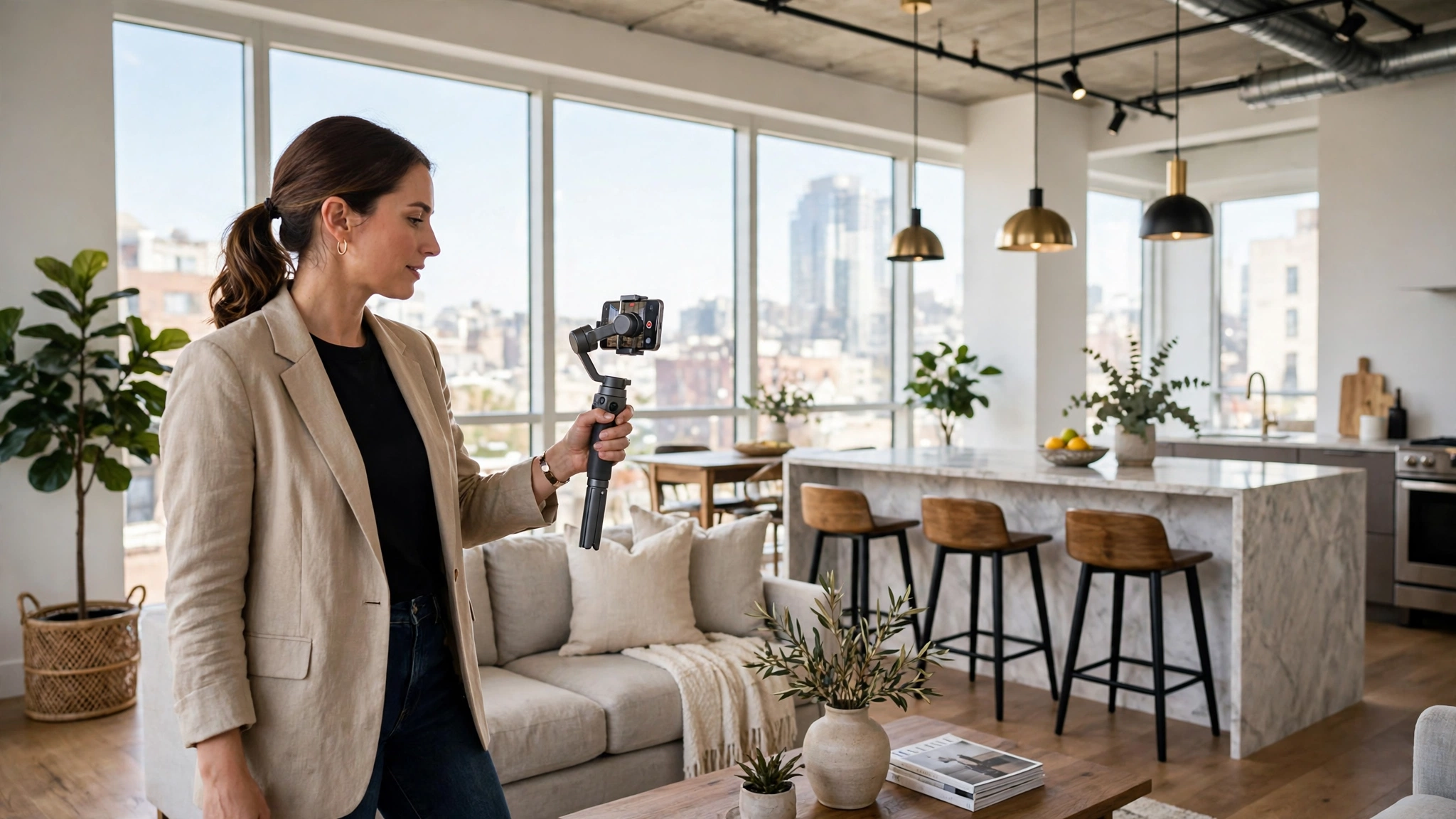
- Share a vertical video under 60 seconds: front, living space, kitchen, primary bedroom, and the one detail people remember. I draft the caption with help from our tools, then rewrite it in my own words. That is the point of Agent Copilot AI, the tool I am building, a fast first draft, not a finished product.
- Text your warm buyers personally, not a blast: "I have a three bed open Saturday that fits what you described. Want the sheet ahead?"
The day before
- Confirm with the seller: pets out, valuables away, cars out of the driveway, home vacant 30 minutes before start.
- Print what you need, check signs, and note where you place each one so pickup is fast. Place signs only where local rules allow.
- Send one reminder with address, hours, parking, and a link to the listing page.
Prep the Home So Buyers Can Picture Living There
Buyers decide in the first minute whether a home feels right. Remove every small distraction that breaks that feeling. Walk the home the morning of, in this order.
- Entry and sight lines. Clear shoes, mail, and clutter. Open blinds where the view helps, close them where it hurts. Turn on every light, even at noon. A bright home feels larger.
- Kitchen and baths. Counters mostly clear. Toilets closed, towels straight, no personal products out. These rooms carry more weight than any staging trick.
- Smell and sound. No heavy air freshener. Air the home out early if there is a pet or cooking smell. Low background music is fine, silence is fine too.
- Temperature. A degree cooler in summer, warmer in winter. People linger when they are comfortable, and lingering is where real questions start.
- Safety. Lock up or remove prescriptions, jewelry, and mail with account details. Tell the seller you did this walk.
You do not need full staging for every open. If a vacant home echoes, a few pieces help buyers judge scale. Virtual staging can help in the photos to set expectations, but in person keep it simple and honest. Buyers remember feeling misled longer than they remember a nice photo.
Bring a kit: tape, a working pen, extra sheets, a tablet, booties if weather is bad, a charger, and water.
Set Up a Sign In and Flow That Respects People
Stand near the entry for the first minute, then give space. My opening is short: "Hi, I am Christiano, the listing agent. Come on in, take your time. The feature sheet is on the counter with price, beds, baths, and updates. I will check in before you head out in case you want comps."
For sign in, offer paper or a digital form: name, phone or email, and "Are you working with an agent?" Say why you ask: "So I can send the update sheet and let you know if the seller sets an offer date." People share real info when the reason is clear, and fake numbers go up when the ask feels like a trap.
Place materials where buyers pause.
- Feature sheet on the kitchen counter, one page, large type: price, beds, baths, square feet, year built, key updates with dates, HOA dues if any, and what is included. If you drafted remarks with a MLS description generator, edit them down for this sheet. Shorter is better in person.
- Comp sheets ready for buyers who ask about price. Do not lead with comps. One page, three closed sales nearby, price per square foot and days on market, is enough.
In a large home, suggest a route: living room, kitchen, bedrooms, patio last.
Work the Room With Questions, Not a Pitch
Reciting features buyers can see, "here is the kitchen, it has granite," teaches you nothing. Questions teach you who is a buyer, who is a neighbor, and who is an agent scouting for a client.
- "What brought you in, have you been looking in this area, or did you see the sign?"
- "What have you seen that was close, and what was it missing?"
- "If you lived here, what would you change first, and what would you leave?"
- "Is timing driving your search, a lease ending or a sale to close first?"
- "Would it help if I sent what sold nearby in the last 90 days, so you can see how this price lines up?"
Listen for specifics. "We need a second bathroom for guests" is a signal you can act on. "Just looking" with no timeline is an early browser. Be kind to everyone, but do not spend 20 minutes with a browser while a qualified buyer waits.
When a buyer criticizes the home, do not defend it. Write it down: "You are the second person today who mentioned street noise in the front bedroom. I will share that with the seller." Sellers believe buyer quotes more than agent opinions, and that honesty builds trust.
If an agent brings a client, give them space, then ask what would make an offer work. Note their name for follow up.
Handle Price, Offers, and Fair Housing Cleanly
Answer price questions with facts. State the list price and the seller's process: "We are listed at 875,000. The seller reviews offers Tuesday at noon. I cannot share details of any offer, but I can share what a complete submission includes." Never invent interest or imply an offer exists when it does not. Agents remember that on your next listing.
Keep seller details general: "They are relocating for work." Never share private information or steer based on race, family status, religion, or any protected class. If buyers ask about schools, demographics, or safety, point them to public sources and keep your answer to the property. Do not share when the home will be vacant beyond the open hours, and do not leave it unattended with visitors inside.
Close the Open House Like a Professional
Before you lock up, walk the home again: doors locked, windows checked, thermostat reset, nothing left behind. Pick up every sign the same day.
Text the seller within an hour: groups through, buyers versus neighbors and agents, top two positive comments, top two objections, and any second showing or offer interest. Keep it factual. Save strategy for the update call.
Sort your list while it is fresh. Hot: in range, on timeline, asked a next step. Warm: interested but early. Community: neighbors who get a thank you later, not a sales sequence.
Write three lines per hot contact before you leave the driveway: what they liked, what they hesitated on, and what you promised to send. By Monday those details blur.
Follow Up Within 24 Hours With Something Useful
"Thanks for coming, let me know if you want to buy it" fails because it asks the buyer to do your job. Send something tied to what they said.
- Price question? Send the comp sheet and offer a quieter private look tomorrow.
- Loved a feature? Send the detail they asked about, roof age, patio size, HOA docs list. A fast answer signals how you will handle the transaction.
- Working with an agent? Send it to the agent, not around them.
- Not preapproved? Offer a lender intro for a real payment estimate, taxes and insurance included, with no pressure.
Same evening for hot contacts, next morning at the latest for everyone else, then one more touch in three to four days if an offer date or price change is coming. After that, a light rhythm: a listing that fits, a nearby price change, a sold update. Same principle as a good open house follow-up system, short, specific, and tied to what they cared about.
If nobody offers, the open still paid for itself if you learned why. Maybe the photos oversold the size, or every buyer named the same repair. That feedback, with a plan, is how you earn the price conversation that sells the home in week two instead of week six.
What to Measure So the Next One Is Better
Log five numbers in under five minutes: groups through, split by buyer, agent, and neighbor; real buyer conversations where you learned timeline or budget; second showings booked; offers or offer inquiries; and the top objection, counted, not guessed.
Over a quarter those numbers tell the truth. High traffic and zero second showings means targeting or price is off. Low traffic and high second showings means the home is right and promotion needs work. The same objection at three opens is not an opinion, it is market data.
An open house will not sell an overpriced home or fix bad photos. Run well, it compresses weeks of showings into one window where you hear the market in person. Start with your next open: one line goal, promotion a week out, the prep walk above, and a 24 hour follow up.
FAQ
How long should an open house be?
Two to three hours for most homes. Long enough for buyers coming from other showings, short enough to create some urgency. Three hours for a new listing in a high demand area, two hours with a different window, like twilight, for a second open, which often pulls a different crowd.
How many open houses should I hold for a listing?
One strong open the first weekend, then judge by the data. Good traffic and second showings may mean you do not need another right away. Thin traffic or a fixable objection means fix it, then hold a second open with a real reason to return: a price improvement, new photos, or a new time. The same open every weekend with nothing new teaches buyers to wait.
What should I put on the feature sheet?
One page: price, beds, baths, square feet, lot size or, for a condo, building and HOA details, year built, key updates with years, parking, heating and cooling, and what is included. Add your contact info and a link to the full listing page. Leave off long paragraphs. Buyers scan at an open, they read at home.
How do I get more real buyers and fewer looky-loos?
Target the promotion. Spend most of your effort on buyer agents active nearby, your warm buyer list, and past clients who know people moving in. Personal texts and agent emails bring more qualified traffic than a generic social post. Be clear in the listing about price, beds, and must know details, so browsers self select out.
What is the best follow up after an open house?
A fast, specific one tied to what that buyer said. Same day for hot contacts, within 24 hours for everyone else. Send the comp, the detail they asked for, or a private showing time, not the same generic thank you to the whole list. One useful message gets replies. Five vague check ins get ignored.